
Parents: Schedule Swim Lessons 60–120 Min After Wake, 60–90 After Nap
- superheroswim
- 6 hours ago
- 7 min read

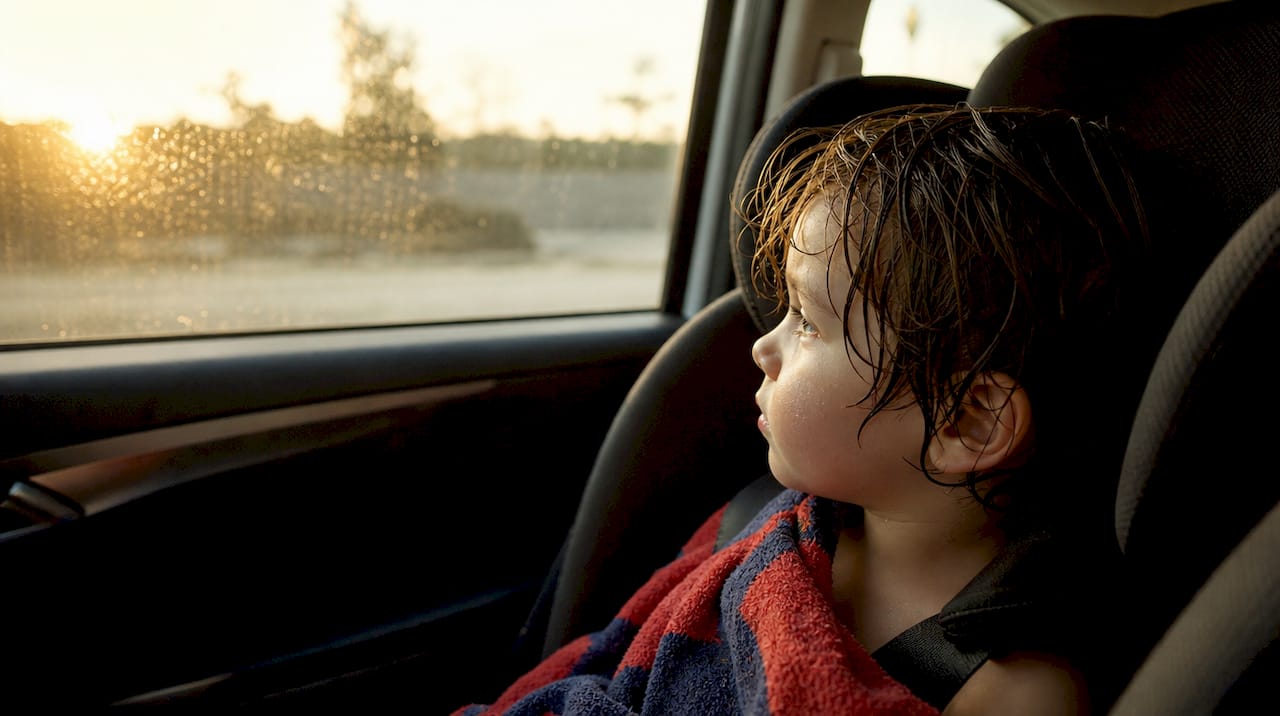
Aim for swim lessons about 60 to 120 minutes after your child wakes up, or 60 to 90 minutes after a nap, when they’re naturally alert. Avoid booking a class right before their usual nap window, since warm water and physical effort tend to make kids crash hard and fast. Short lessons and heated pools often trigger sleepiness faster than dry-land activities. Pick one schedule and stick with it for several weeks before deciding whether it’s actually working.
TL;DR:
Schedule swim lessons 60 to 120 minutes after your child’s waking or nap time to prevent oversleeping or fatigue, especially before usual nap windows.
Keep lessons during your child’s natural alert window, with morning or late-morning sessions for early risers and afternoon classes for energy peaks later in the day.
Limit lesson duration to 20-30 minutes for toddlers to avoid overstimulation and promote better sleep pressure, particularly for shorter or shallower car naps.
Give your child’s schedule a minimum of four weeks before assessing effectiveness, and watch for signs like missed naps or late bedtimes indicating the need to adjust timing.
Use practical tactics such as light snacks before lessons, quick routines post-swim, and ready-to-go bags to support smooth transitions and minimize car ride drowsiness.
Table of Contents
Naps and Swim Lessons: Picking a Time That Fits Your Child’s Clock
Practical Tactics That Keep Naps and Swim Lessons Working Together
How Superhero Swim Academy Builds Lessons Around Real Nap Schedules
The Timing Advice Most Parents Never Get, and What Actually Fixes It
Ready to Try a Lesson Time That Actually Fits Your Schedule?
Naps and Swim Lessons: Picking a Time That Fits Your Child’s Clock
Every kid has a window when they’re genuinely switched on, and matching lessons to that window matters more than matching them to your calendar. Here are the three realistic options most families choose between:
Early or mid-morning (1 to 2 hours after wake-up): Best for kids who are naturally sharp early and haven’t hit their morning slump yet. This works especially well for single-nap toddlers who go down mid-day.
Late morning: Fine as long as it doesn’t butt right up against a usual nap. Cutting it too close means you’ll fight sleepiness in the pool instead of getting real progress.
Afternoon (1 to 2 hours after nap): Ideal for kids with strong afternoon energy, since they’ve already had a sleep reset and have gas left in the tank.
Whatever slot you pick, protect the car ride home. Play music, chat with your child, or hand over a small quiet toy. A five-minute doze at a stoplight can wreck an otherwise solid nap plan.
How Swimming Actually Changes Sleep Behavior
Exercise builds what sleep researchers call sleep pressure, the internal push toward rest that accumulates the longer a body’s been active. Swimming compresses a lot of physical effort into a short window, so that pressure builds fast. Add warm pool water and the drowsy effect of wet hair drying in a cool car, and you get a kid who can go from giggling to glassy-eyed in ten minutes flat.
Session length matters too. A short lesson usually leaves a child pleasantly tired without tipping into overstimulation. Longer sessions, especially for toddlers still building stamina, can push some kids past tired into wired, the overtired state where a nap becomes harder to start, not easier.
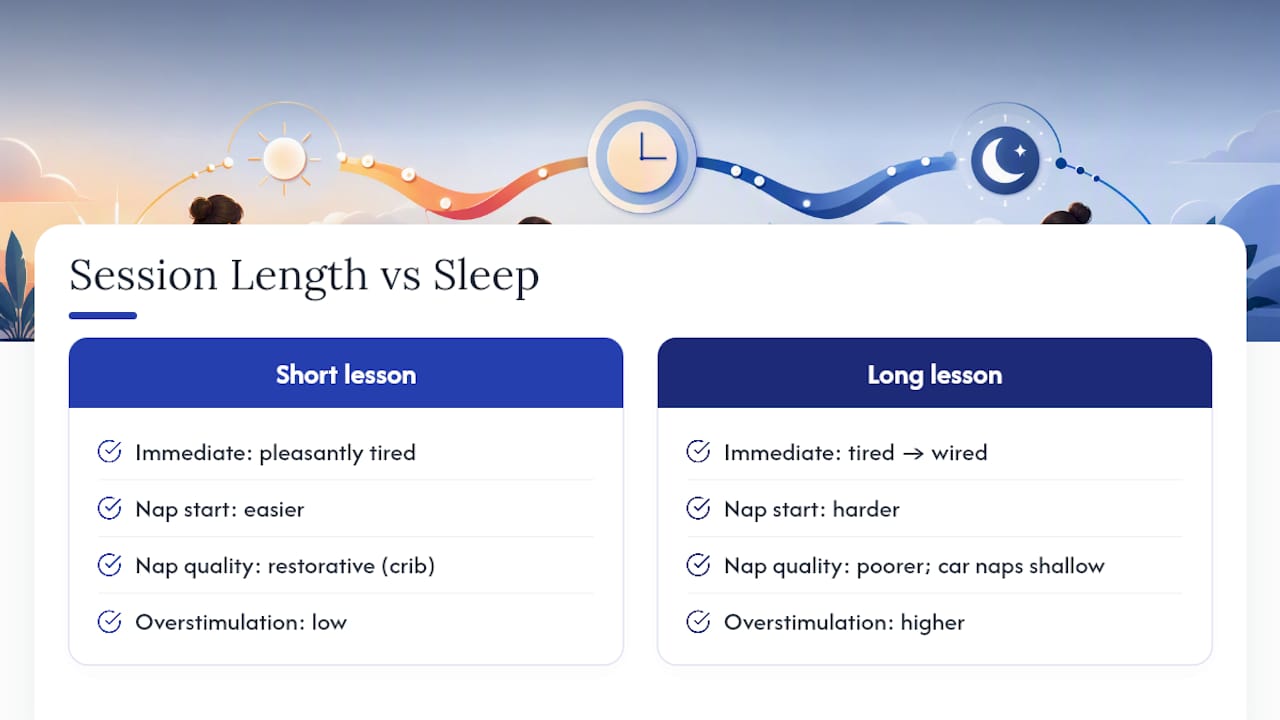
Car naps are the wildcard here. A nap that happens in a car seat is typically shorter and shallower than one in a crib, which means it doesn’t do the same restorative work. According to pediatric guidance from the Cleveland Clinic, scheduling lessons during a child’s naturally alert window and avoiding the slot right before a usual nap helps sidestep this problem entirely.
Readiness matters as much as timing. The American Academy of Pediatrics notes that many children can start swim lessons around age 1, with real benefits for drowning-risk reduction between ages 1 and 4, though individual readiness should always guide the decision.
Practical Tactics That Keep Naps and Swim Lessons Working Together
The schedule on paper only matters if the details around it hold up. A few small habits make the biggest difference:
Time the meal. Feed your child a light snack 30 to 45 minutes before class, not a full meal right before getting in the water.
Match class length to attention span. A wiggly two-year-old does better in a 20 minute session than a 45 minute one.
Engage on the drive home. Music, a favorite snack, or a running conversation about the class keeps eyes open until you’re home.
Build a fast wind-down. Dry hair, dry clothes, dim lights, same nap song every time. The ritual matters more than the clock.
Adjust for nap type. Single-nap toddlers do well with morning classes feeding into an early afternoon nap. Two-nap infants often fit best in the gap between naps rather than right after one.
Pro Tip: Keep a bag packed and ready by the door on class days. The two extra minutes you save skipping the search for a towel are exactly the two minutes you need to beat a meltdown at the car door.
For families juggling multiple kids or a longer drive, our guide on fitting swim lessons into a busy schedule walks through more sample routines by age.
Give a New Schedule Four Weeks Before You Judge It
One bad nap day doesn’t mean the timing is wrong. Give any new schedule about four weeks before deciding whether it fits, since a single week rarely shows the real pattern.
Watch for these signs the timing genuinely isn’t working: naps disappearing altogether, bedtime creeping later and later, your child losing enthusiasm for the pool, or crankiness that lingers well past the usual adjustment period. If you’re still seeing those after a month, don’t force it. Try a different day, switch to a private or parent-and-child lesson format, or shorten the session length. The Red Cross recommends parent participation for very young swimmers specifically because it reduces stress and shortens the adjustment window.
What to Pack for a Smoother Ride Home
A little prep at the door saves a lot of frustration in the car. Keep this short list ready on class days:
Two towels (one for hair, one for wrapping up fast)
Dry clothes, including a spare outfit for diaper blowouts
A light snack and water bottle
A small quiet toy or board book for the ride home
Sunscreen for outdoor pools, applied before you leave the house
Drying and changing quickly matters beyond comfort. The AAP recommends warm water for infants and toddlers to reduce chill risk, and getting a child into dry clothes fast keeps that post-swim drowsiness from turning into a cranky, overtired mess before you even reach the car.
How Superhero Swim Academy Builds Lessons Around Real Nap Schedules
Every instructor at Superhero Swim Academy trains in CPR, First Aid, and our own survival swim curriculum, so safety never competes with scheduling convenience. We built our format options specifically because rigid class times don’t work for real families.
Private at-home lessons solve the tight nap window problem directly. No commute means no car nap risk and no wasted alert time. Parent-and-child sessions work well for younger toddlers still building water comfort, and our short-format classes limit overstimulation for kids who tire fast. We recommend observing a class or trying a trial lesson before committing to a schedule, and we send regular progress updates so you always know where your child stands.
The Timing Advice Most Parents Never Get, and What Actually Fixes It
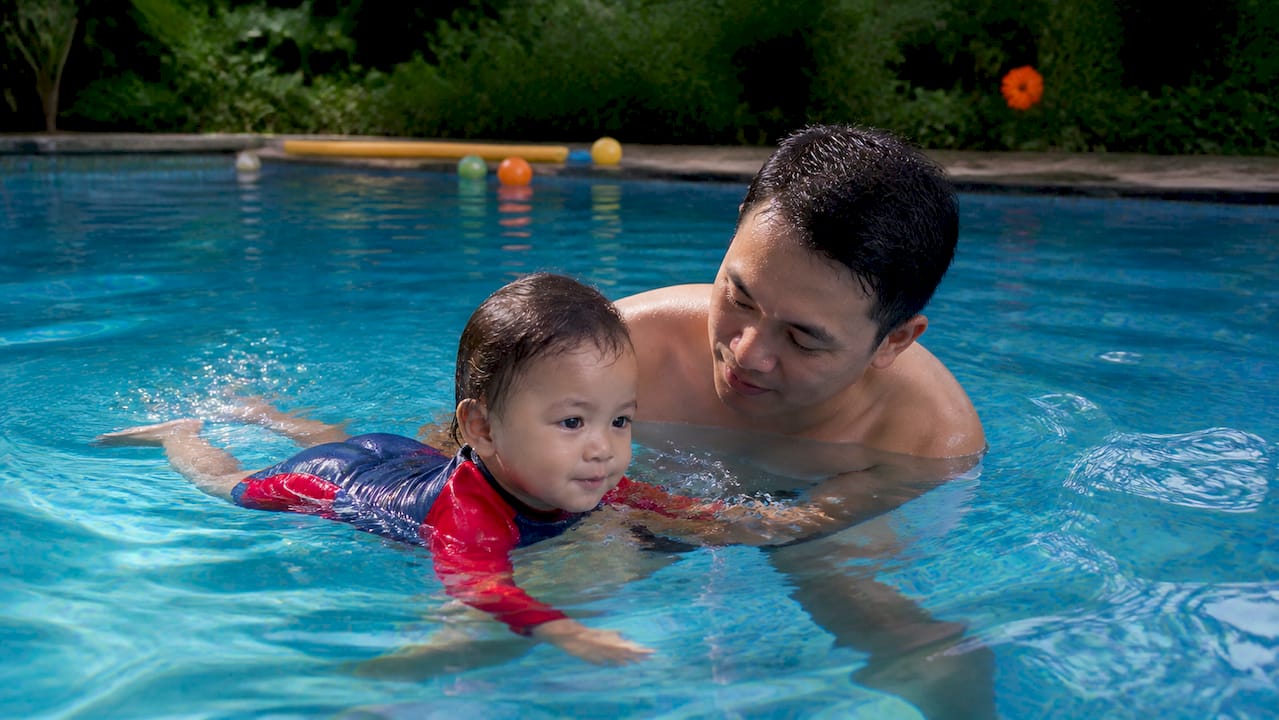
Most swim school advice treats scheduling like an afterthought, a logistics detail you sort out after picking a program. That’s backwards. Timing is the difference between a class your child looks forward to and one that turns every Tuesday into a fight.
The conventional wisdom says pick whatever slot is open and adjust later. In practice, parents who do that spend months fighting car naps and cranky bedtimes before they connect the dots back to lesson timing. The fix isn’t complicated: match the class to your child’s natural alert window first, then build the rest of your day around it, not the other way around.
What gets overrated is the idea that one nap disruption means the whole schedule failed. What gets underrated is the four-week trial. Real patterns take a few weeks to surface, and switching schedules every time one nap goes sideways just resets the clock on figuring out what actually works. Prioritize the alert window, protect the car ride home, and give it time before you judge it.
— SUPERHERO
Ready to Try a Lesson Time That Actually Fits Your Schedule?
Superhero Swim Academy is the alternative to a rigid group class schedule for families in Palm Beach and Broward counties: you pick a lesson format that fits your child’s actual nap window, not the other way around. Private at-home lessons cut out the commute entirely for tight nap windows, parent-and-child sessions ease younger toddlers in with less overstimulation, and our short-format classes limit post-swim crashes on days you can’t spare an extra hour of recovery time.
Every instructor is certified in CPR and First Aid and trained in our survival swim curriculum, so you’re not trading safety for flexibility. If your family isn’t local or you want to build water comfort at home first, our online courses let parents practice skills between in-person sessions. Ready to see how a real class fits your child’s routine? Book a trial lesson with Superhero Swim and find out within a few sessions whether the timing works for your family.
Where to Go for More on Sleep and Swim Readiness
For deeper reading, check HealthyChildren.org’s swim lesson guidance from the American Academy of Pediatrics, the minimum-age scientific review on drowning risk, Red Cross learn-to-swim programs, and this breakdown of toddler sleep needs by age. When in doubt about readiness, ask your pediatrician.
Sources
Recommended
Comments